Is £50,000 to £90,000 a Normal Range for a Well-Planned Extension?
When considering home improvements in Solihull, the burning question many homeowners ask is: “Is an extension budget of £50,000 to £90,000 normal?” A decade in residential project management and estimating has taught me that numbers mean little without context. Today, we’ll dissect that range using local data, typical costs, and practical budgeting tips — and steer you clear of the guesswork that leads to dreaded overspend.

Why Solihull’s Price Gap is Driving More People to Extend, Not Move
Recent data from the Office for National Statistics (ONS) shows a widening gap in average house prices within Solihull compared to neighbouring areas. The ONS May 2026 local house price breakdown indicates property prices here have surged faster than household earnings. This means moving up into a bigger home is becoming less financially attractive, prompting many owners to explore extensions as a better way to add space and value.
Put plainly: extending your existing home can offer more square metres per pound than buying a larger property outright. But how does that typical extension budget actually stack up?
Extension Costs by Size and Type: The £50,000 to £90,000 “Typical Range” Explained
The headline range of £50,000 to £90,000 is https://smoothdecorator.com/building-regs-vs-planning-permission-what-is-the-difference-for-extensions/ often quoted, including by services such as Checkatrade and MyJobQuote, who gather local contractor quotes regularly. But as any seasoned estimator will tell you, it hinges heavily on scale, complexity, and finishes.
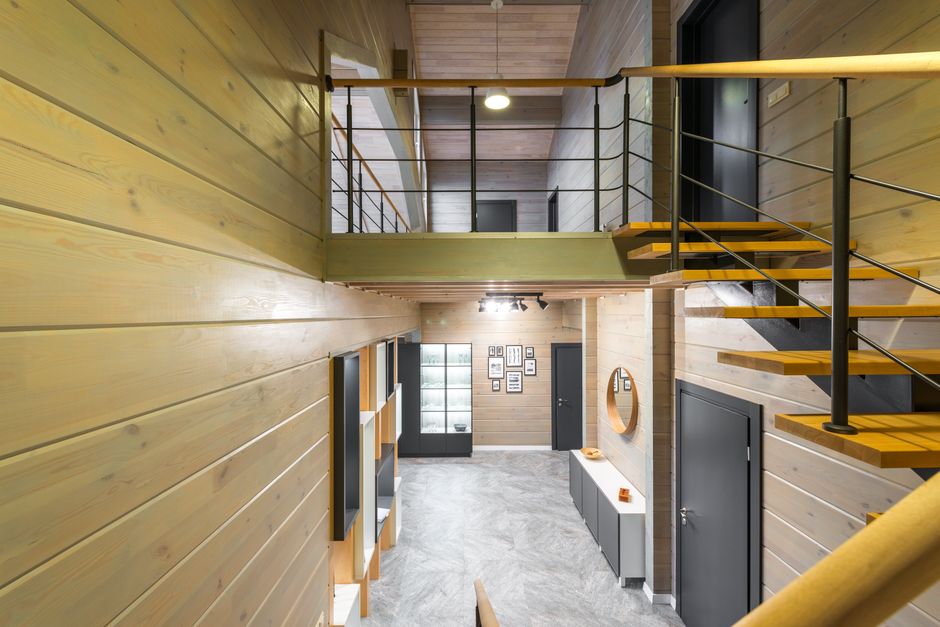
Single-Storey vs Two-Storey Extensions
Extension Type Approx. Size (m²) Average Cost per m² (inc. VAT) Total Estimated Cost Range Single-Storey Rear Kitchen/Dining 15-25 £2,500 - £3,200 £37,500 - £80,000 Two-Storey Bedroom + Bathroom Add 20-35 £2,800 - £3,500 £56,000 - £122,500These figures are sanity-checked against recent quotes from Checkatrade-verified contractors in Solihull and account for typical local building materials and labour rates. It’s clear that the upper band of £90,000 comfortably covers a well-equipped single-storey extension with some room to spare, or a smaller two-storey addition with smart finishes.
What’s Included in These Budgets?
https://dlf-ne.org/how-much-does-a-30-sqm-extension-cost-in-the-west-midlands/- Full construction costs, including foundations, brickwork, roofing
- Windows, doors, insulation, and internal finishes
- Basic electrical and plumbing work
- Professional fees like architect or surveyor charges where applicable
- VAT (usually at 20%) on building work and services
- A contingency fund of at least 10% of the budget for unforeseen costs
Any quotes or budgets that exclude VAT or a contingency should be treated with caution — this is where many budgets derail.
Planning and Permitted Development: Don’t Forget These Key Checks
Before you get too far down the budgeting rabbit hole, remember that planning and building control costs, as well as whether you need full planning permission or can proceed under permitted development rights, matter hugely.
- Solihull Council pre-application enquiry service lets you consult the council early to confirm what’s feasible in your area, especially if you’re in a conservation area or have a listed building.
- Planning application vs Permitted Development – While many single-storey extensions qualify as permitted development (meaning no formal planning permission is needed), two-storey works nearly always require planning applications and possibly more rigorous conditions.
Failing to check these can lead to delays and unexpected costs—and sometimes the need to undo works.
Moving Costs: The Hidden Price of Choosing Walls Over Wheels
One key driver behind the extend-not-move choice in Solihull is avoiding hefty moving costs, which add no additional living space but can be hefty:
- Stamp Duty Land Tax (SDLT) – On average, for houses in Solihull’s price bracket, stamp duty can range from £5,000 to over £20,000 depending on your property price.
- Estate agent fees typically 1-1.5% of the selling price
- Solicitors and conveyancing - £1,000 - £2,000+
- Mortgage arrangement and valuation fees
By stretching your existing footprint with a well-planned extension in the £50,000 to £90,000 range, you may get more usable space for less financial upheaval — and crucially, avoid losing your current excellent location or school catchment.
What People Forget to Budget For
Here’s the shortlist of costs that often catch homeowners off guard:
- VAT: Insist on knowing whether your quotes include VAT to avoid nasty surprises.
- Contingency Funds: Always allocate at least 10% extra on your base construction budget for unexpected site discoveries or last-minute changes.
- Professional Fees: Architect, structural engineer, party wall agreement costs, and planning permission fees are often budgeted separately but mustn’t be forgotten.
- Landscaping and External Works: New patios, garden regrading, or drainage can add £5,000-£10,000 on top.
- Temporary Accommodation or Living Adjustments: If you need to vacate or live around noisy works, factor in those costs.
Summary: Is £50,000 to £90,000 a Normal and Realistic Budget?
In 2026 Solihull, yes — £50,000 to £90,000 is a well-founded, typical budget range for a high-quality, well-planned extension. This range aligns well with local costs per square metre verified by trusted platforms such as Checkatrade and MyJobQuote and backed by ONS house price insights. Whether you’re adding a kitchen/breakfast room or a two-storey bedroom and bathroom, this budget bracket allows for VAT-inclusive costs and a sensible contingency.
However, one must keep in mind:
- Planning and building permissions (use Solihull Council’s pre-application enquiry to clarify before committing)
- The extra costs of professional fees, landscaping, and possible living adjustments
- A realistic view of your extension size and finish to avoid underbudgeting
Ultimately, this typical range reflects the sweet spot between quality and cost in Solihull’s challenging property market — helping more homeowners find value “under one roof” rather than chasing a prize among bricks elsewhere.
If you’re considering an extension, make sure your quotations are clear on VAT, include contingencies, and confirm your planning requirements with Solihull Council upfront. That way, your dream extension becomes a project with a solid, predictable budget — not a frightening gamble.