My House Has Already Been Extended Twice – Can I Still Extend Again in Green Belt?
If you live in Solihull or nearby areas where green belt planning constraints are a fact of life, you’re likely wrestling with one of the most familiar homeowner dilemmas for 2024: having extended your home twice already, should you try to squeeze in a third extension or bite the bullet and move? This question is far from trivial given the stubborn Solihull price gap from recent Office for National Statistics (ONS) data, soaring moving costs, and thorny planning regulations grounded in the 1948 baseline total additions rule.
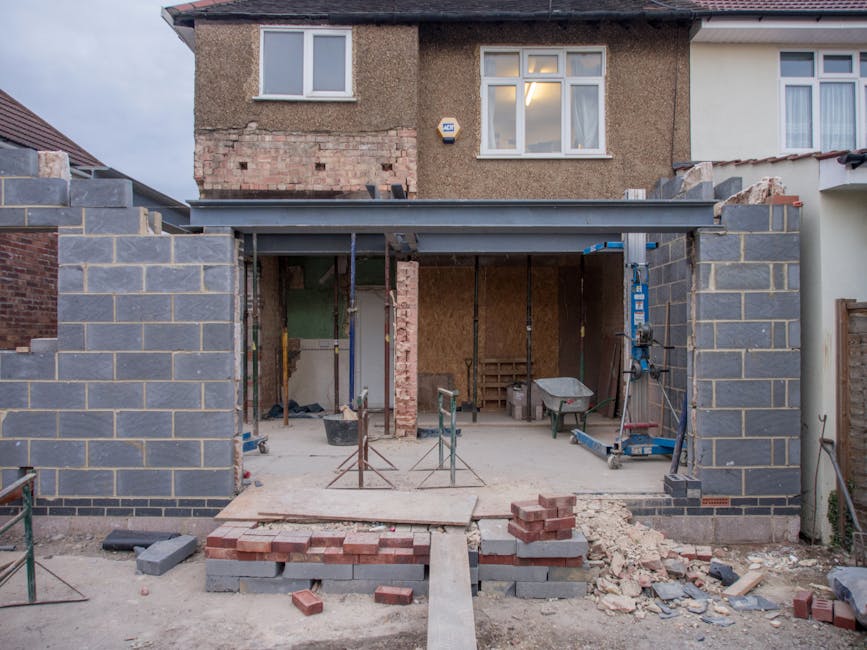
Let’s unpack all the factors that matter—including up-to-date price breakdowns, how extension costs really stack up, and the steps you can take with Solihull Council’s pre-application enquiry process to get some clarity without blazing through your budget.
Why Extend Instead of Move? The Solihull Price Gap Explained
First, a nod to the big economic picture shaping this extend-not-move decision. According to the ONS May 2026 local house price breakdowns, Solihull’s property prices remain stubbornly high compared to many surrounding regions. While an attractive home in Solihull can command a premium, moving to a cheaper area can mean longer commutes, less community, and frankly, a lifestyle downgrade.
This pricing landscape explains why many homeowners are opting to make the most of what they have, debating further extensions even when they’ve already built twice before. The price premium effectively traps many in high-value neighbourhoods, making a third extension an appealing, if sometimes challenging, alternative.
Understanding Green Belt Planning Constraints
The flip side of the green belt’s protected, leafy charm is strict planning restrictions designed to curb urban sprawl. In practical terms, this means:
- Stringent limits on the size and volume of additions exceeding the original footprint of your home.
- Checking against the 1948 baseline total additions—a complex but crucial measure for permitted development rules where extensions beyond this can require full planning permission.
- No-lose situation warnings: The more you have already built out, the less “headroom” you have to squeeze in further extensions without triggering planning headaches or outright refusals.
Solihull Council is clear that any further build on green belt land typically requires careful assessment through their pre-application enquiry process. It’s your solihullobserver.co.uk chance to get guidance on whether your extension plans comply before submitting a full planning application. This reduces wasted fees and disappointment—something that no homeowner likes!
How Much Does a Further Extension Cost in Solihull?
Having managed residential projects and priced hundreds of extensions, I always sanity-check new budgets per square metre. Extension costs can vary wildly based on factors such as size, type (single vs two-storey), and finishes. Here’s a quick breakdown:
Extension Type Average Cost per m² (including VAT) Typical Size Range Notes Single-storey rear extension £1,800 - £2,200 15m² - 30m² Common for kitchen/dining space; simpler to build but footprint limits headroom Two-storey side/rear extension £2,200 - £2,800 20m² - 40m² per floor Adds significant living space; complex permissions especially on green beltRemember to factor in a recommended contingency of 10-15% for unseen issues or specification changes.
One confusing aspect for many homeowners is how these extension costs compare to the financial hit of moving. Moving costs not only include stamp duty but also agent fees, solicitor fees, surveys, and removal costs. These can easily add up to 5% or more of the property value without adding a single extra square metre.
What People Often Forget to Budget For
- Full VAT inclusion in quotes: Always confirm whether VAT is in the price to avoid nasty surprises.
- Planning application fees and possible specialist reports (e.g., tree surveys in conservation or green belt areas).
- Professional services: architectural plans, structural engineers, and site supervision to keep things straightforward and compliant.
- Landscaping or hardscaping post-extension which can be costly but essential for some planning conditions.
Steps to Check Planning Feasibility for a Third Extension
A clear path forward is to leverage available tools and resources before investing heavily. Solihull Council’s pre-application enquiry is an invaluable step—and here’s why:
- Informal advice from planning officers on green belt planning constraints specific to your property and any conservation-area considerations.
- Clarification on the 1948 baseline total additions calculations in your neighbourhood or street, essential for assessing permitted development scope.
- Insight into potential permitted development rights or the need for a formal planning application.
Furthermore, homeowners can use online tools for preliminary checks. Websites such as Checkatrade and MyJobQuote provide access to vetted builders who understand local regulations and can offer ballpark extension quotes, helping you sift real opportunities from mere pipe dreams.
Remember: Contingency Planning and Realistic Expectations
Green belt areas have little headroom left for third extensions because planning authorities protect these spaces rigorously. As budgets rise and prices remain high, these constraints force a trade-off:
- Small, well-designed, and professionally scoped extensions that maximise existing volume without breaching green belt rules.
- Accepting higher costs but gaining invaluable extra space instead of downsizing or moving.
- Possibly considering alternative options like internal remodelling or permitted development conversions (garage-to-room, loft conversions).
Whatever path you choose, getting a solid grip on the facts—and using trusted local data from the ONS, local council guidance, and through Checkatrade or MyJobQuote advice—is crucial to avoid time, money, and effort wastage.
Summary: Can You Extend Again in Green Belt After Two Extensions?
In short:
- It may be possible, but it depends heavily on your current footprint, the 1948 baseline total additions rule, and how much volume you’ve already added.
- Solihull Council’s pre-application enquiry is your best first step to understanding your permissions headroom.
- Extension costs are significant and vary by type—always sanity-check quotes for VAT inclusion and contingency.
- Moving costs are high and add no space—it's a financial and lifestyle decision weighted toward extending where possible.
- Use trusted platforms like Checkatrade and MyJobQuote to source qualified, local professionals who know green belt nuances.
With careful preparation, clear budgeting, and professional input, you can make an informed decision that respects green belt constraints yet meets your family’s space needs.
Have you recently faced this dilemma? Feel free to share your questions or experiences, and keep an eye on updates from the ONS housing reports for evolving market insights.